
“I didn’t want to wait until retirement to make a decision — I wanted to choose the right moment while I was still enjoying the journey.”
Updated: Apr 29

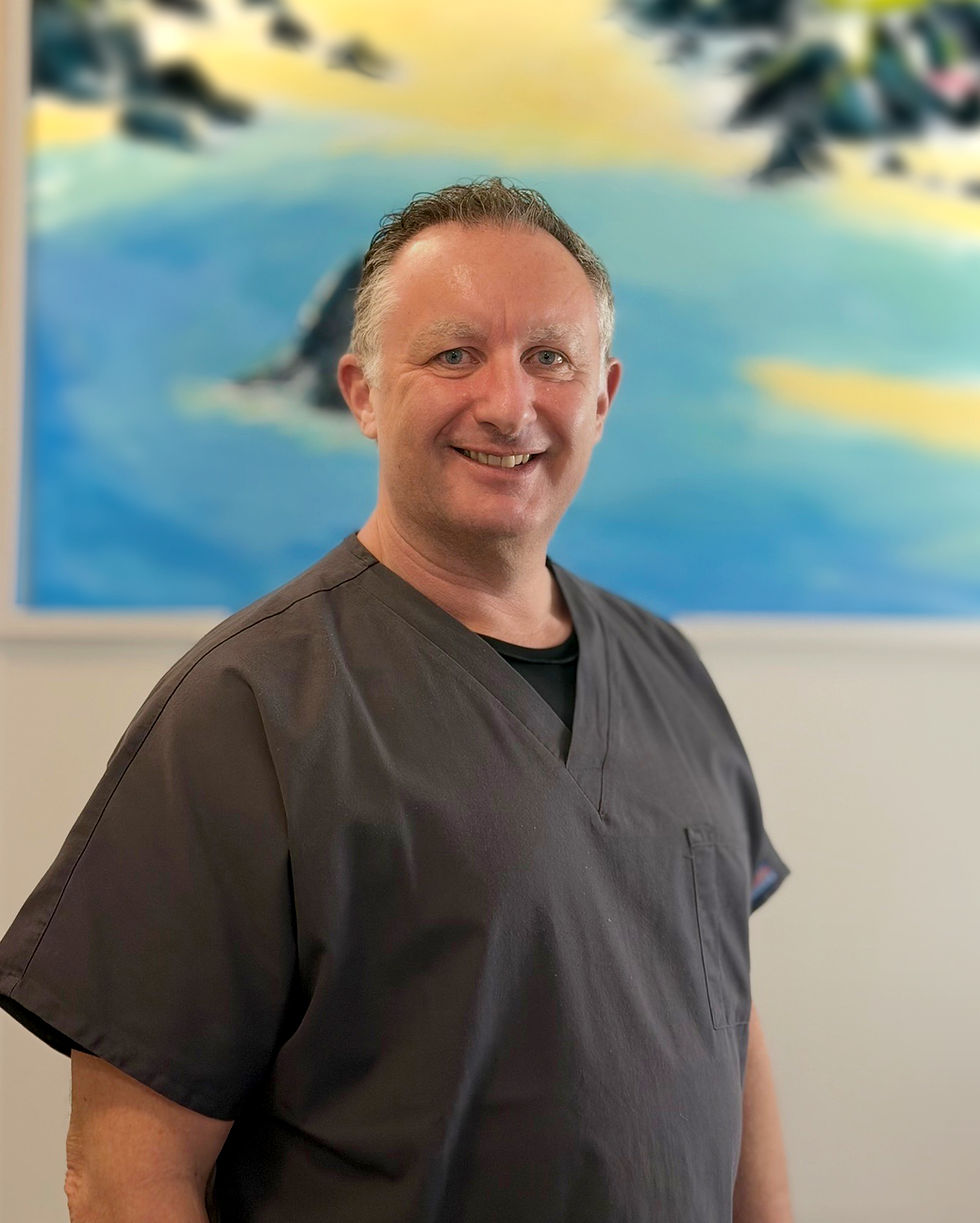
Dr. Michael Sultan
BDS MSc DFOd FICD
For Dr Michael Sultan, the question was never whether he loved dentistry. He did — and still does. The real question was how to shape the future of his practice in a way that made sense long before retirement appeared on the horizon.
“Timing was everything for me,” he explains. “I didn’t want to leave selling the practice or changing ownership until I was ready to retire, when my options might be limited. I wanted to make a decision while I was still happy, healthy and fully engaged in the business.”
Rather than viewing a sale as an exit, Michael saw it as a strategic step.
“This wasn’t a retirement plan. It was about setting the business up for long-term success while easing some of the ownership responsibilities that sat solely on my shoulders. I wanted to relinquish some of that burden but continue practising dentistry in the way I always had.”
The idea of shared ownership immediately caught his attention.
“I was intrigued because it was a completely new concept to me. The thought that I could receive an upfront payment, retain clinical freedom, and still benefit financially as both the practice and the wider group grew was hugely appealing. It felt balanced.”
Importantly, Michael needed clarity before committing.
“I had some very direct questions. How long would I need to remain? Could I taper my involvement later? Would I still have full clinical autonomy? The answers were reassuring. I was told clearly that beyond the agreed initial period, I could reduce my role at any time. I could also shift towards more management-focused work if I wished.”
That flexibility made the decision feel measured rather than rushed.
“It allowed me to plan ahead properly. I wasn’t locking myself into something inflexible. Instead, I was creating options for the future.”
Trust played a defining role.
“The whole partnership is built on trust. The DeNovo team have been communicative and supportive from the outset. What they promised is exactly what has been delivered — there have been no surprises.”
For Michael, maintaining continuity for his team and patients was non-negotiable.
“Day-to-day life in the practice has barely changed. If I hadn’t told the team about the transition, they probably wouldn’t have noticed. That light-touch approach was essential. My team were pleased to know I would remain at the practice for several years and that it would be very much business as usual.”
Looking ahead, he sees opportunity rather than limitation.
“We expect the business to grow through greater collaboration and networking within the wider partnership. There’s real potential in being part of something collective, rather than operating entirely independently.”
Ultimately, Michael believes that principals should consider timing carefully.
“Many dentists wait until retirement to think about selling, but by then, the decision can feel reactive. This model allows you to be proactive — to sell at the right time for you, while continuing to work in a supportive environment.”
He pauses, then adds:
“It’s a very positive concept. For me, it was about taking control of the timing rather than letting timing control me.”

LOCATIONS: Harley Street, London W1 and Richmond, London
ESTABLISHED: 1999
TYPE OF PRACTICE: Private Referral Practice
SPECIAL INTERESTS: Root Canal and Endodontic Microsurgery

Comments